
Introduction
Growing cannabis in a greenhouse during the rainy season presents unique challenges. Excessive moisture, humidity, and potential fungal diseases can significantly impact plant health and yield. However, with the right strategies, you can optimize greenhouse conditions to ensure your cannabis plants thrive. This blog post will guide you through effective techniques to maintain an optimal environment for watering cannabis plant cultivation in rainy seasons.
Understanding the Challenges of Rainy Season
Conditions to prevent adverse effects on your cannabis plants.
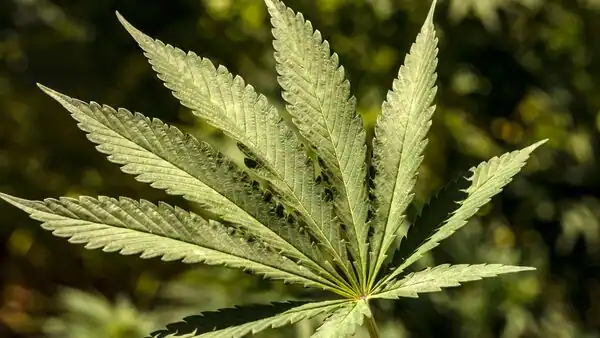
1. Excessive Moisture and Humidity
Rainy seasons bring high levels of moisture and humidity, which can lead to various issues such as mold, mildew, and root rot. It’s crucial to manage these conditions to prevent adverse effects on your cannabis plants.
2. Temperature Fluctuations
Rainy weather often comes with temperature fluctuations. Maintaining a stable temperature within your greenhouse is essential for healthy plant growth and development.
3. Limited Sunlight
Cloudy skies and frequent rain can reduce the amount of sunlight your plants receive. Ensuring adequate light is vital for photosynthesis and overall plant health.
Strategies for Optimizing Greenhouse Conditions
Place these fans strategically to maximize air circulation.
1. Improve Ventilation
– Installing Exhaust Fans
Exhaust fans are crucial for removing excess humidity and ensuring a constant flow of fresh air.
– Using Oscillating Fans
Oscillating fans help distribute air evenly throughout the greenhouse, preventing stagnant air pockets where mold and mildew can thrive.
2. Control Humidity Levels
– Dehumidifiers
Investing in a high-quality dehumidifier can help manage humidity levels. Set the dehumidifier to maintain humidity at 50-60%, an optimal range for cannabis plants.
– Hygrometers
Use hygrometers to monitor humidity levels continuously. Place them at different locations within the greenhouse for accurate readings.
3. Temperature Regulation
– Heating Systems
Install heating systems to maintain a stable temperature during cold spells. Radiant heaters or heat mats can provide localized warmth to root zones.
– Cooling Systems
During warmer periods, cooling systems such as evaporative coolers or air conditioners can help maintain a comfortable temperature for your plants.
4. Supplemental Lighting
– LED Grow Lights
LED grow lights are energy-efficient and provide the full spectrum of light required for cannabis growth. Use them to supplement natural light, especially during overcast days.
– Light Timers
Light timers ensure your plants receive consistent light cycles, mimicking natural sunlight patterns and promoting healthy growth.
5. Water Management
– Proper Drainage
Ensure your greenhouse has an effective drainage system to prevent waterlogging. Raised beds or containers with drainage holes can help manage excess water.
– Irrigation Systems
Automated irrigation systems with moisture sensors can help provide the right amount of water, preventing overwatering during rainy periods.
Preventing and Treating Fungal Diseases
Early detection can prevent the spread of these diseases.
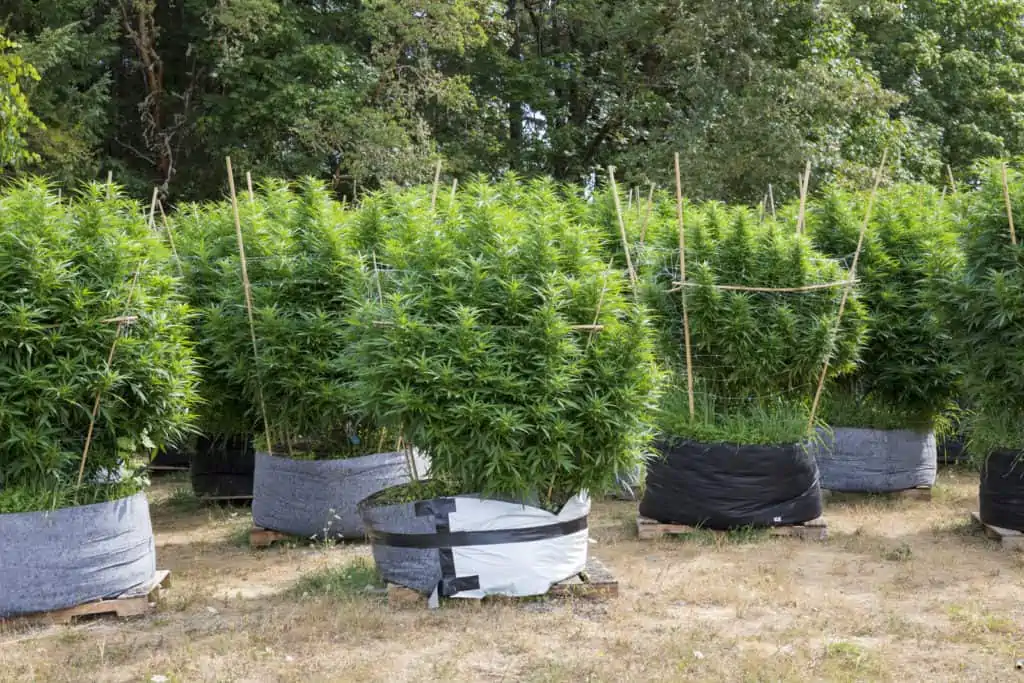
1. Regular Inspections
Inspect your plants regularly for signs of fungal diseases such as powdery mildew and botrytis.
2. Fungicidal Sprays
Organic fungicidal sprays, such as those containing neem oil or potassium bicarbonate, can help control fungal infections. Apply them as a preventive measure and at the first sign of disease.
3. Pruning and Training
Prune your plants to improve air circulation and reduce humidity around dense foliage. Training techniques like low-stress training (LST) can also help create an open canopy.
Soil and Nutrient Management
Enhance soil structure and aeration.
1. Soil Aeration
Aerate your soil to improve drainage and prevent root rot. Using soil amendments like perlite or vermiculite can enhance soil structure and aeration.
2. Balanced Fertilization
Rain can leach nutrients from the soil. Regularly test your soil and supplement with balanced fertilizers to ensure your plants receive adequate nutrients.
3. pH Monitoring
Monitor and adjust soil pH to ensure nutrient availability. Cannabis plants prefer a slightly acidic pH of 6.0-6.5. Use pH meters and adjust with lime or sulfur as needed.
Creating a Resilient Greenhouse Environment
Reinforce weak points and use durable materials for long-term resilience.
1. Building a Robust Greenhouse Structure
Ensure your greenhouse is well-constructed to withstand heavy rains and strong winds.
2. Utilizing Shade Cloths
Shade cloths can protect your plants from excessive sunlight on rare sunny days during the rainy season. They also help reduce heat buildup within the greenhouse.
3. Incorporating Natural Predators
Introduce beneficial insects like ladybugs and predatory mites to control pest populations naturally, reducing the need for chemical interventions.
Advanced Techniques for Greenhouse Optimization
To further enhance the growing conditions for cannabis in rainy seasons, incorporating advanced techniques can provide additional benefits. These methods address specific challenges and ensure your plants remain healthy and productive.
1. Implementing Automated Climate Control Systems
– Climate Control Technology
Automated climate control systems can monitor and adjust temperature, humidity, and CO2 levels within the greenhouse. These systems use sensors to provide real-time data and make necessary adjustments, ensuring optimal conditions are maintained consistently.
– Smart Irrigation Systems
Smart irrigation systems equipped with soil moisture sensors and weather forecasts can adjust watering schedules automatically. This prevents overwatering during rainy periods and ensures plants receive adequate hydration during drier spells.
2. Utilizing Beneficial Microbes
– Mycorrhizal Fungi
Mycorrhizal fungi form symbiotic relationships with cannabis roots, improving nutrient uptake and water absorption. Inoculating your soil with these beneficial fungi can enhance plant resilience to fluctuating moisture levels.
– Beneficial Bacteria
Beneficial bacteria, such as Bacillus subtilis, can help prevent root diseases and promote healthy root growth. Adding these microbes to your soil or using microbial inoculants can improve overall plant health.
3. Advanced Training Techniques
– Scrogging (Screen of Green)
Scrogging involves using a screen to spread out the plant canopy, maximizing light exposure and improving air circulation. This technique is particularly useful in greenhouses during the rainy season, as it reduces humidity around dense foliage and minimizes the risk of mold.
– Defoliation
Selective defoliation, or removing specific leaves, can help improve airflow and reduce humidity around the plant. This technique should be used carefully to avoid excessive stress on the plants.
4. Enhancing Soil Health
– Organic Matter
Adding organic matter such as compost or worm castings improves soil structure, drainage, and nutrient availability. Healthy soil is crucial for preventing waterlogging and supporting robust plant growth during the rainy season.
– Cover Crops
Planting cover crops like clover or rye can help improve soil health by increasing organic matter, enhancing drainage, and reducing erosion. These crops also help maintain soil moisture balance by absorbing excess water.
5. Protective Measures Against Pests
– Physical Barriers
Installing physical barriers such as insect screens can prevent pests from entering the greenhouse. This is particularly important during the rainy season when pests seek shelter in warmer environments.
– Biological Controls
Introducing natural predators like lacewings and predatory nematodes can help control pest populations without the need for chemical pesticides. These biological controls are safe for your cannabis plants and the environment.
Preparing for Emergency Situations
Ventilation and climate control during power outages caused by storms.
1. Backup Power Sources
Ensure you have a reliable backup power source, such as a generator, to maintain essential systems like ventilation and climate control during power outages caused by storms.
2. Emergency Drainage Solutions
Having an emergency drainage plan, including portable pumps and drainage channels, can help quickly remove excess water from the greenhouse in the event of severe flooding.
Conclusion
Optimizing greenhouse conditions for cannabis during the rainy season requires a multifaceted approach. By improving ventilation, controlling humidity, regulating temperature, and managing water effectively, you can create an environment where your cannabis plants thrive. Regular inspections, preventive measures against fungal diseases, and proper soil management are also crucial for maintaining plant health. With these strategies, you can overcome the challenges of the rainy season and achieve a successful cannabis harvest.