
Introduction
Growing cannabis outdoors can be a rewarding and cost-effective way to produce high-quality plants. However, to ensure your garden thrives, it’s essential to prepare adequately. In this guide, we’ll cover everything you need to know about preparing your outdoor cannabis garden, focusing on soil, sunlight, and space. By following these guidelines, you can create an optimal environment for your cannabis plants to flourish.
Understanding the Basics of Outdoor Cannabis Cultivation
Before diving into the specifics, it’s crucial to understand the basic requirements for growing cannabis outdoor. Unlike indoor cultivation, outdoor growing relies heavily on natural elements such as sunlight, soil quality, and environmental conditions. Proper preparation and planning are key to a successful harvest.
Selecting the Right Location for Your Cannabis Garden
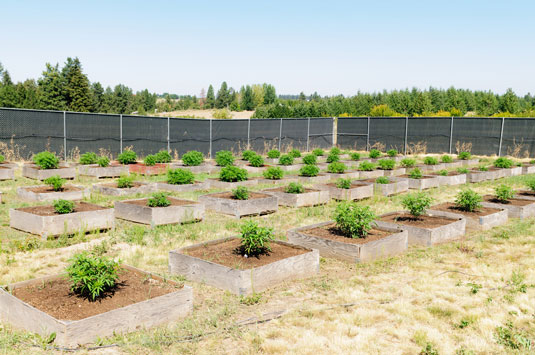
The location should provide adequate sunlight.
1. Importance of Site Selection
Choosing the right location for your cannabis garden is the first step towards a successful growing season. The location should provide adequate sunlight, have good soil, and offer enough space for your plants to grow.
2. Factors to Consider
- Sunlight Exposure: Cannabis plants need plenty of direct sunlight, ideally around 6-8 hours per day.
- Soil Quality: The soil should be fertile, well-draining, and rich in organic matter.
- Space: Ensure there’s enough room for your plants to grow to their full potential without overcrowding.
- Security: Choose a discreet location to protect your plants from theft and ensure compliance with local laws.
Preparing the Soil for Cannabis Cultivation
Poor soil quality can lead to weak plants and reduced yields.
1. Importance of Soil Quality
Healthy soil is the foundation of a thriving cannabis garden. It provides essential nutrients, water, and oxygen to the plant roots.
2. Soil Testing and Amendment
- Soil Testing: Conduct a soil test to determine its pH, nutrient levels, and texture. Cannabis prefers slightly acidic soil with a pH between 6.0 and 7.0.
- Amendments: Based on your soil test results, you may need to add amendments to improve soil fertility. Common amendments include compost, aged manure, perlite, and vermiculite.
3. Preparing the Soil Bed
- Tilling: Loosen the soil to a depth of 12-18 inches to improve aeration and drainage.
- Adding Compost: Mix in a generous amount of compost to enrich the soil with organic matter.
- Mulching: Apply a layer of mulch to retain moisture and suppress weeds.
Ensuring Adequate Sunlight for Your Cannabis Plants
Insufficient sunlight can lead to stunted growth and lower yields.
1. Understanding Sunlight Requirements
Cannabis plants are sun-loving and require plenty of direct sunlight to thrive.
2. Maximizing Sunlight Exposure
- Orientation: Plant your cannabis in a location that receives maximum sunlight throughout the day, typically facing south in the Northern Hemisphere.
- Spacing: Space plants adequately to ensure they do not shade each other.
- Reflective Surfaces: Use reflective materials around your garden to increase light penetration.
Providing Adequate Space for Your Cannabis Plants
Overcrowded plants can lead to reduced airflow, which increases the risk of mold and mildew.
1. Importance of Proper Spacing
Proper spacing is crucial for healthy plant growth and preventing disease.
2. Spacing Guidelines
- Plant Size: Consider the mature size of the cannabis strain you are growing. Indica strains are typically bushier and require more horizontal space, while Sativa strains grow taller and need more vertical space.
- Row Spacing: Space rows at least 3-4 feet apart to allow for easy access and maintenance.
- Plant Spacing: Depending on the strain, space individual plants 2-4 feet apart to ensure adequate airflow and light penetration.
Preparing Your Garden for Planting
1. Germinating Seeds
- Starting Seeds Indoors: Start seeds indoors in early spring to give them a head start before transplanting them outdoors.
- Hardening Off: Gradually acclimate your seedlings to outdoor conditions by placing them outside for a few hours each day, increasing the time over a week.
2. Transplanting Seedlings
- Choosing the Right Time: Transplant seedlings after the last frost date when the soil has warmed up.
- Transplanting Method: Dig a hole slightly larger than the root ball and gently place the seedling in the hole. Backfill with soil and water thoroughly.
3. Watering and Feeding
- Watering: Water young plants regularly, ensuring the soil remains moist but not waterlogged. As plants mature, they may require less frequent watering.
- Feeding: Use organic fertilizers to provide essential nutrients throughout the growing season. Follow the manufacturer’s instructions for application rates and timing.
Protecting Your Cannabis Garden
1. Pest and Disease Management
- Pest Control: Use natural predators, organic pesticides, and companion planting to manage pests.
- Disease Prevention: Ensure good air circulation, avoid overhead watering, and practice crop rotation to prevent diseases.
2. Weather Protection
- Windbreaks: Use windbreaks to protect plants from strong winds.
- Frost Protection: Cover plants with frost cloth or move them indoors during unexpected cold snaps.
Harvesting and Post-Harvest Care
1. Harvest Timing
- Identifying Harvest Time: Monitor trichomes and pistils to determine the optimal harvest time. Trichomes should be milky white or amber in color.
- Harvesting Method: Use clean, sharp scissors to cut branches and handle plants gently to avoid damaging the buds.
2. Drying and Curing
- Drying: Hang branches upside down in a dark, well-ventilated area for 7-10 days until the stems snap easily.
- Curing: Place dried buds in airtight containers and open them daily to release moisture for the first few weeks. This process improves flavor and potency.
Troubleshooting Common Issues in Outdoor Cannabis Gardens
Common deficiencies include nitrogen, phosphorus, and potassium, which are essential for plant growth.
1. Addressing Nutrient Deficiencies
Even with the best soil preparation, cannabis plants can sometimes exhibit signs of nutrient deficiencies.
- Nitrogen Deficiency: Yellowing leaves starting from the bottom of the plant can indicate a nitrogen deficiency. Remedy this by applying a nitrogen-rich fertilizer or organic amendment like blood meal.
- Phosphorus Deficiency: Darkening and purpling of leaves, along with slow growth, may signal a lack of phosphorus. Use bone meal or a phosphorus-rich fertilizer to correct this.
- Potassium Deficiency: Yellowing leaf edges and brown spots are signs of potassium deficiency. Add potassium sulfate or wood ash to the soil to resolve this issue.
2. Enhancing Soil Health Over Time
Maintaining soil health is an ongoing process. Incorporating cover crops like clover or alfalfa during the off-season can improve soil structure and add organic matter. These plants fix nitrogen and can be tilled back into the soil to enhance fertility.
3. Managing Extreme Weather Conditions
Outdoor cannabis gardens are subject to unpredictable weather. Installing shade cloths can protect plants from intense heat, while temporary structures can shield them from heavy rains or hail. Monitoring local weather forecasts and being prepared with protective measures will help mitigate potential damage.
4. Community and Legal Considerations
Growing cannabis outdoors can have community and legal implications. Ensure your garden is compliant with local regulations, including plant count limits and secure fencing requirements. Engage with your community to foster understanding and support for your cultivation efforts. Being a responsible grower involves not only tending to your plants but also respecting your neighbors and adhering to legal standards.
5. Continuous Learning and Adaptation
Outdoor cannabis growing is a dynamic process that requires ongoing learning and adaptation. Stay informed about the latest cultivation techniques, pest control methods, and strain developments. Joining local gardening clubs or online forums can provide valuable insights and support from fellow growers.
By continuously improving your skills and staying adaptable, you can overcome challenges and enjoy the rewards of a thriving outdoor cannabis garden year after year.
Conclusion
Preparing your outdoor cannabis garden involves careful planning and attention to detail. By selecting the right location, ensuring optimal soil quality, maximizing sunlight exposure, and providing adequate space, you can create a thriving environment for your cannabis plants. Proper preparation and maintenance will lead to a bountiful harvest and high-quality cannabis. Happy growing!