
Introduction
Indoor cannabis cultivation offers control over environmental factors, but harvesting during rainy seasons requires careful planning and execution to ensure optimal yields and quality. In this guide, we’ll explore effective strategies and timelines for harvesting your indoor cannabis plants when rainy weather poses challenges.
Understanding the Harvest Window
Before diving into the specifics of harvesting during rainy seasons, it’s crucial to grasp the concept of the harvest window. This period refers to the optimal time when cannabis plants have reached peak potency and yield potential. Factors such as strain genetics, flowering time, and environmental conditions dictate this window.
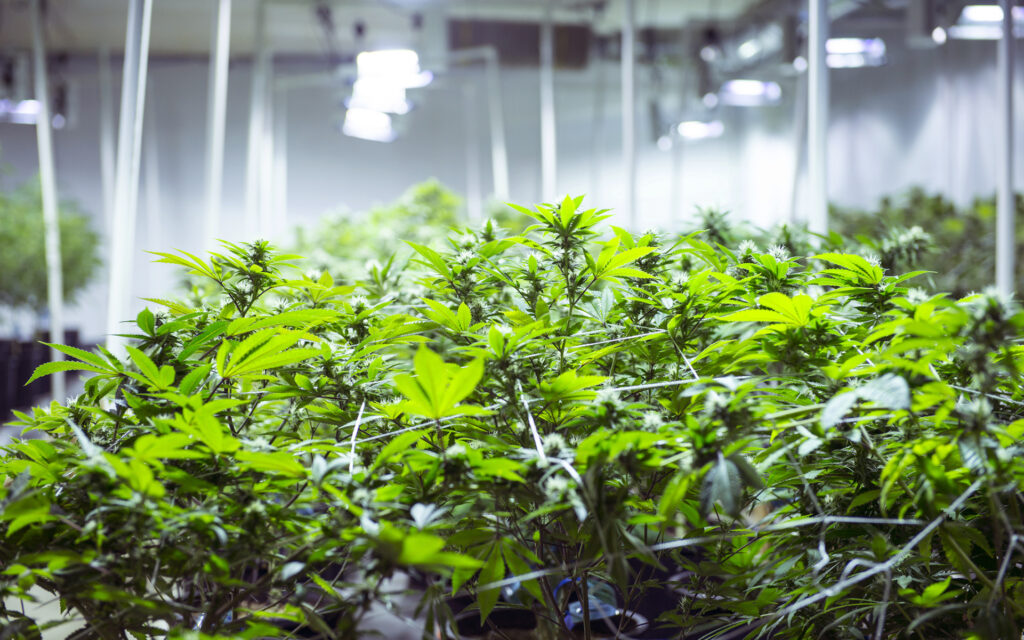
1. Determining Readiness: Signs to Look For
- Trichome Examination: Use a magnifying glass to inspect trichomes. Look for milky white or amber-colored trichomes, indicating peak THC levels. Clear trichomes suggest immaturity.
- Pistil Color: Monitor the color of pistils (hairs). Mature pistils darken and curl inwards as harvest approaches.
- Bud Density: Dense, compact buds typically signal readiness. Avoid harvesting when buds feel airy or underdeveloped.
Challenges of Harvesting During Rainy Seasons
Rainy seasons introduce humidity and potential mold issues, complicating the harvesting process. Excessive moisture can degrade cannabinoid potency and compromise overall plant health.
1. Mitigating Mold Risks
- Humidity Control: Maintain humidity levels between 45-55% during the final weeks of flowering. Use dehumidifiers or humidity packs if necessary.
- Air Circulation: Ensure adequate air circulation within the grow space to prevent stagnant, humid conditions conducive to mold growth.
- Inspect Regularly: Check plants daily for any signs of mold or mildew. Remove affected leaves or buds promptly to prevent further spread.
Timing the Harvest
Choosing the right time to harvest is critical for maximizing cannabinoid content and yield, especially when rain threatens plant health.
1. Tips for Timing:
- Monitor Weather Forecasts: Plan harvests during dry spells or periods with lower humidity to minimize moisture exposure.
- Early Morning Harvest: Opt for early morning harvests when temperatures are cooler and humidity levels tend to be lower.
- Pre-harvest Flush: Begin flushing plants with plain water 1-2 weeks before harvest to remove excess nutrients and improve final taste and smoothness.
Harvesting Techniques
Executing proper harvesting techniques ensures the preservation of cannabinoid profiles and enhances overall bud quality.
1. Step-by-Step Harvesting Process:
- Cutting: Use sharp, sterile scissors or pruning shears to cut branches at the base. Handle buds gently to avoid damage.
- Trimming: Remove fan leaves and excess foliage, focusing on preserving sugar leaves with trichomes.
- Drying: Hang trimmed branches upside down in a dark, well-ventilated area with temperatures around 60-70°F and humidity around 50%.
- Curing: Place dried buds in sealed jars for 1-2 weeks, burping them daily to release moisture and enhance flavor.
Maintaining Quality During Harvest
Preserving the quality of harvested cannabis is paramount, especially in humid conditions that can degrade cannabinoids and terpenes.
1. Importance of Proper Handling:
- Gentle Handling: Avoid excessive handling and squeezing of buds, as this can lead to trichome damage and loss of potency.
- Avoid Moisture Exposure: During harvesting and trimming, minimize exposure to moisture. Use gloves and work in a dry environment to prevent buds from absorbing excess humidity.
- Quick Processing: Aim to process harvested plants promptly to prevent prolonged exposure to high humidity, which can compromise potency and flavor.
Post-Harvest Tips for Rainy Seasons
Post-harvest care is crucial to ensuring the quality and shelf life of your cannabis buds, especially when rainy weather persists.
1. Drying Techniques:
- Slow Drying: Opt for a slower drying process in low humidity environments to preserve terpenes and cannabinoids. Avoid rapid drying methods like ovens or microwaves.
- Use of Dehumidifiers: If indoor humidity levels are high, consider using dehumidifiers in the drying room to maintain optimal drying conditions.
- Checking Regularly: Monitor buds during the drying process. They should feel slightly crisp on the outside while maintaining moisture inside.
2. Curing for Enhanced Flavor and Potency
Curing is a critical step that enhances the taste, smoothness, and potency of cannabis buds by allowing flavors to mature and excess chlorophyll to break down.
– Steps to Proper Curing:
- Jar Storage: Place dried buds in glass jars, filling them about 3/4 full to leave room for air circulation.
- Burping Jars: Open jars daily for the first week, then gradually reduce to every few days to release built-up moisture and prevent mold growth.
- Monitoring Humidity: Aim for a relative humidity of 55-65% inside the curing jars. Use hygrometers to monitor and adjust humidity levels as needed.
- Length of Curing: Curing typically lasts 2-4 weeks, although some growers prefer longer periods for a smoother smoke and richer flavor profile.
Harvesting Specific Cannabis Strains
Different cannabis strains may have varying flowering times and harvest windows. Understanding these differences can optimize your harvest during rainy seasons.

1. Indica vs. Sativa:
- Indica Dominant Strains: Often have shorter flowering periods and may be more resistant to mold due to their denser bud structure.
- Sativa Dominant Strains: Tend to have longer flowering times and may require more vigilant monitoring during rainy weather to prevent mold and maintain quality.
2. Hybrid Strains:
- Considerations: Hybrids can combine traits of both indica and sativa, so tailor harvesting strategies based on the specific hybrid’s characteristics and environmental conditions.
Legal and Safety Considerations
Harvesting cannabis indoors during rainy seasons also involves legal and safety aspects that growers should be mindful of.
1. Legal Compliance:
- Local Regulations: Adhere to local laws regarding cannabis cultivation, including possession limits and licensing requirements.
- Safety Measures: Ensure a secure and discreet growing environment to prevent theft and unauthorized access.
Conclusion
Harvesting indoor cannabis during rainy seasons demands attention to detail and proactive measures to mitigate moisture-related risks. By understanding the harvest window, monitoring environmental conditions, and implementing proper techniques, you can ensure a successful harvest with potent, high-quality buds. Remember, each strain may have unique harvesting requirements, so adapt these tips to suit your specific cultivar and local climate.
Harvesting indoor cannabis during rainy seasons presents unique challenges, but with careful planning and adherence to best practices, growers can achieve successful outcomes. From monitoring plant readiness to implementing proper drying and curing techniques, each step plays a crucial role in maintaining cannabinoid potency and enhancing bud quality. By staying informed about strain-specific needs and local regulations, growers can navigate the complexities of harvesting cannabis in rainy climates while optimizing yield and product quality.