
Cannabis has become increasingly popular as more regions legalize its use for both medical and recreational purposes. Despite their similarities, there are significant differences between medical and recreational cannabis. Understanding these distinctions is essential for making informed decisions about cannabis use.
What is Medical Cannabis?
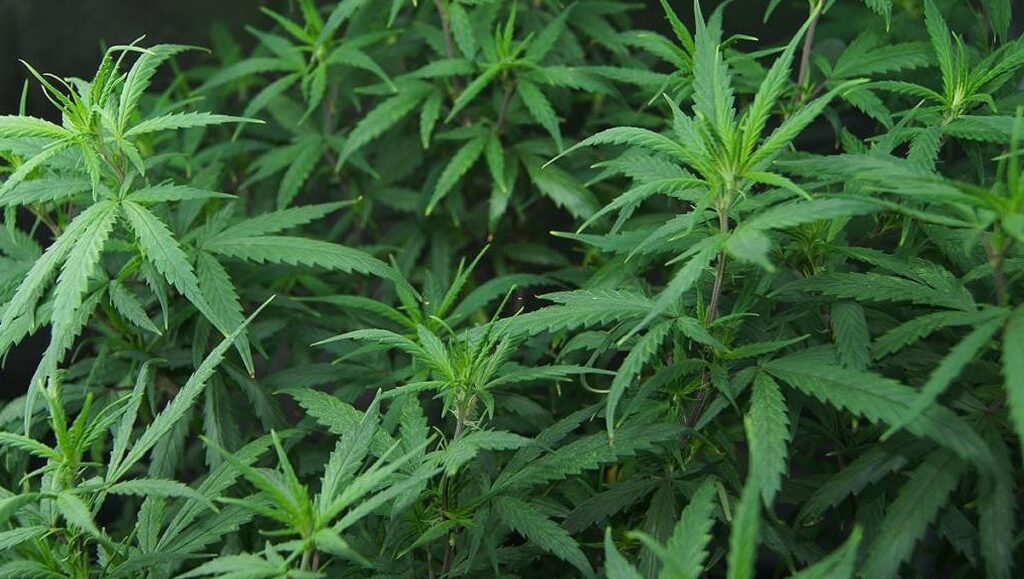
Medical cannabis refers to cannabis products prescribed by healthcare professionals to treat specific medical conditions or alleviate symptoms. It often contains carefully regulated amounts of cannabinoids such as THC (tetrahydrocannabinol) and CBD (cannabidiol), depending on the patient’s needs.
Uses of Medical Cannabis
- Chronic Pain Relief: Conditions like arthritis or fibromyalgia.
- Epilepsy: CBD has been shown to reduce seizures.
- Nausea and Appetite Stimulation: Common in cancer or HIV/AIDS patients.
- Anxiety and PTSD: May help regulate mood and reduce stress.
- Multiple Sclerosis: Relieves muscle spasms and stiffness.
Characteristics of Medical Cannabis
- Higher CBD Content: To provide therapeutic benefits without significant psychoactive effects.
- Regulation: Often subject to stringent quality controls.
- Prescription-Based Access: Requires a recommendation from a licensed healthcare provider.
What is Recreational Cannabis?
Recreational cannabis is used for enjoyment or relaxation rather than medical purposes. It is typically purchased from dispensaries where cannabis is legally available and does not require a medical prescription.
Why Do People Use Recreational Cannabis?
- Relaxation and Stress Relief: Helps unwind after a long day.
- Social Activities: Enhances social interactions and celebrations.
- Psychoactive Experience: The “high” induced by THC can be pleasurable for many users.
Characteristics of Recreational Cannabis
- Higher THC Content: Designed to maximize psychoactive effects.
- Accessibility: Available to adults in regions where recreational use is legalized.
- Variety: Offered in numerous forms, including edibles, vapes, and concentrates.
Key Differences Between Medical and Recreational Cannabis
| Aspect | Medical Cannabis | Recreational Cannabis |
|---|---|---|
| Purpose | Treats medical conditions or symptoms | Enjoyment, relaxation, or social use |
| THC vs. CBD Ratio | Often higher CBD, lower THC | Typically higher THC for psychoactive effects |
| Access | Requires a doctor’s prescription | Available to adults in legalized areas |
| Quality Control | Stringently regulated for purity and potency | May have looser quality standards |
| Cost | May be covered by insurance in some cases | Fully paid out-of-pocket |
Legal Differences
- Medical Cannabis
- Legal in many countries for specific conditions.
- Requires a medical cannabis card or doctor’s recommendation.
- Recreational Cannabis
- Legalized in fewer regions compared to medical cannabis.
- Age restrictions (typically 18 or 21+).
Forms of Cannabis in Both Categories
Both medical and recreational cannabis come in similar forms, but the purpose and composition vary.
1. Smoking and Vaping
- Medical: Lower THC strains for pain relief.
- Recreational: High-THC strains for a potent experience.
2. Edibles
- Medical: Low-dose gummies or capsules for symptom control.
- Recreational: Higher doses for a long-lasting high.
3. Topicals
- Medical: Used for localized pain or skin conditions.
- Recreational: Rarely used in this form.
4. Oils and Tinctures
- Medical: Easy to measure for precise dosing.
- Recreational: Often used for discreet consumption.
Potential Overlap Between Medical and Recreational Use
In some cases, recreational cannabis users may experience unintended medical benefits, such as stress reduction or improved sleep. Conversely, medical cannabis can also provide enjoyment and relaxation, though this is not its primary intent.
Risks and Considerations
- Medical Cannabis
- Side Effects: Drowsiness, dry mouth, or dizziness.
- Drug Interactions: Consult with a healthcare provider if on other medications.
- Recreational Cannabis
- Overuse: High THC doses can lead to anxiety or paranoia.
- Legal Issues: Ensure it is used in compliance with local laws.
How to Choose Between Medical and Recreational Cannabis
- Purpose: If you have a medical condition, consult a healthcare provider for a prescription.
- Content: Look for high CBD strains for medical use and high THC strains for recreational enjoyment.
- Budget: Consider cost differences and potential insurance coverage for medical cannabis.
- Legal Status: Ensure your choice complies with local laws.
Read Also : Cannabis and Fitness: Exploring the Potential Benefits for Recovery and Performance
Conclusion
While both medical and recreational cannabis come from the same plant, their uses, effects, and access requirements differ significantly. Medical cannabis focuses on therapeutic benefits, offering relief for various conditions, while recreational cannabis is primarily used for enjoyment. Understanding these distinctions can help you make informed decisions based on your needs and goals.