
The relationship between cannabis and fitness has sparked increasing interest in recent years. With the rise of legalized cannabis and more athletes embracing it, many are curious about its potential benefits for recovery and performance. While cannabis has long been associated with relaxation, emerging evidence and anecdotal reports suggest it may also play a role in supporting an active lifestyle. This blog delves into how cannabis interacts with the body, its potential benefits for fitness enthusiasts, and considerations for safe and effective use.
Understanding Cannabis and Its Components
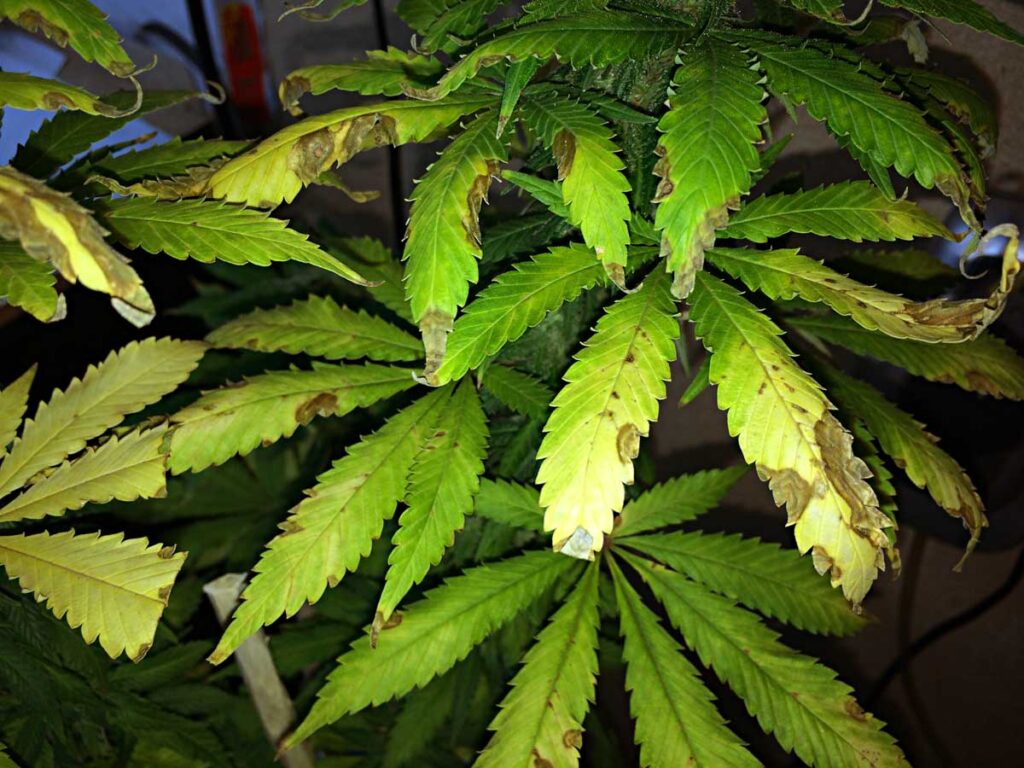
Cannabis contains over 100 cannabinoids, the most well-known being THC (tetrahydrocannabinol) and CBD (cannabidiol). THC is psychoactive, responsible for the “high” often associated with cannabis. CBD, on the other hand, is non-psychoactive and is recognized for its therapeutic properties, including pain relief and anti-inflammatory effects. Both cannabinoids interact with the body’s endocannabinoid system (ECS), which helps regulate processes such as pain, mood, sleep, and inflammation. This interaction underpins cannabis’s potential benefits for fitness.
Potential Benefits of Cannabis for Fitness
1. Pain Management
One of the most cited benefits of cannabis in fitness is its ability to manage pain. After an intense workout or injury, pain can hinder performance and recovery. Cannabis, particularly strains high in CBD, has been shown to reduce pain by interacting with ECS receptors that regulate pain perception. This makes it a promising option for athletes looking to alleviate discomfort without relying on traditional painkillers, which may have adverse side effects or lead to dependency.
2. Anti-Inflammatory Properties
Inflammation is a natural response to physical activity, especially high-intensity workouts. While some inflammation is necessary for muscle repair and growth, excessive inflammation can lead to soreness and prolonged recovery times. CBD’s potent anti-inflammatory properties can help reduce inflammation, allowing athletes to recover faster and perform at their best.
3. Improved Sleep
Rest is a critical component of any fitness regimen, as it is during sleep that the body repairs and rebuilds muscle tissues. Cannabis, particularly strains with higher THC content, is known for its sedative effects, helping individuals fall asleep faster and stay asleep longer. For those struggling with sleep disorders or restlessness after intense physical activity, cannabis may provide a natural solution.
4. Stress and Anxiety Reduction
Mental health is as important as physical health in achieving fitness goals. Cannabis’s ability to reduce stress and anxiety can benefit athletes by helping them stay focused and motivated. Whether it’s pre-competition jitters or general stress, cannabis may help calm the mind, improving overall performance and enjoyment of physical activities.
5. Muscle Relaxation
Cannabis’s muscle-relaxing properties can be beneficial for athletes experiencing tightness or cramps. By reducing muscle tension, cannabis can enhance flexibility and mobility, both of which are vital for preventing injuries and maintaining peak performance.
6. Enhanced Recovery
Recovery is where fitness gains are truly made, and cannabis may expedite this process. By combining its pain-relieving, anti-inflammatory, and sleep-promoting effects, cannabis can create an optimal environment for recovery, allowing athletes to return to training sooner and with greater intensity.
7. Improved Focus and Mind-Body Connection
Certain cannabis strains, particularly those with balanced levels of THC and CBD, may enhance focus and promote a stronger mind-body connection during activities like yoga, pilates, or martial arts. This heightened awareness can improve performance and deepen the engagement with physical practices.
Different Forms of Cannabis for Fitness
The benefits of cannabis for fitness depend on the form in which it is consumed. Here are some popular methods and their suitability for fitness enthusiasts:
1. Oils and Tinctures
CBD oils and tinctures are a discreet and versatile option. They can be taken sublingually (under the tongue) or added to food and drinks. Oils are particularly effective for long-lasting relief from pain and inflammation.
2. Topicals
Cannabis-infused creams, balms, and salves are ideal for localized pain and inflammation. Athletes can apply them directly to sore muscles or joints, providing targeted relief without any psychoactive effects.
3. Edibles
Edibles, such as gummies or protein bars infused with cannabis, offer a convenient way to consume cannabis. However, their effects take longer to kick in compared to other forms, making them more suitable for post-workout recovery than pre-workout energy.
4. Vaporizers
Vaping cannabis provides fast relief and is ideal for those looking to address acute pain or stress. However, athletes should be cautious about lung health and opt for high-quality, additive-free vape products.
5. Capsules
CBD or cannabis capsules provide a precise dose and are easy to integrate into a supplement routine. They are a great option for those seeking consistent, long-term benefits.
Safety and Considerations
While cannabis offers potential benefits, it’s essential to approach its use responsibly.
1. Know Your Tolerance
Every individual reacts differently to cannabis, and factors like dosage, strain, and method of consumption can influence the effects. Start with a low dose and gradually increase it as needed to find the right balance.
2. Understand THC Content
THC can impair coordination and judgment, which may not be ideal for activities requiring precision or high energy. If you’re using cannabis before exercise, choose strains with low THC or opt for CBD-only products.
3. Be Mindful of Timing
The timing of cannabis use matters. For pre-workout focus, choose strains or products that promote alertness without sedation. For recovery, use products that emphasize relaxation and sleep enhancement.
4. Consult a Professional
If you’re new to cannabis or have existing health conditions, consult a healthcare professional before incorporating cannabis into your fitness routine. They can help determine if cannabis is suitable for your specific needs and goals.
5. Legal Considerations
Ensure that cannabis use complies with local laws and regulations. Additionally, athletes participating in competitive sports should be aware of anti-doping rules, as THC is prohibited in many organizations.
The Role of Strain Selection
Not all cannabis strains are created equal, and the right strain for fitness depends on your goals.
1. Sativa-Dominant Strains
Known for their energizing and uplifting effects, sativa strains can enhance focus and motivation, making them a good choice for pre-workout use.
2. Indica-Dominant Strains
Indicas are renowned for their relaxing and sedative properties, making them ideal for post-workout recovery and sleep support.
3. Hybrid Strains
Hybrids combine the effects of sativa and indica, offering a balanced experience that can be tailored to individual preferences.
Emerging Research on Cannabis and Fitness
Research on cannabis and fitness is still in its infancy, but preliminary studies and anecdotal evidence are promising. Some key findings include:
- Pain Relief: Studies suggest that cannabis can effectively reduce chronic pain, which may translate to relief from workout-related discomfort.
- Anti-Inflammatory Effects: Research has demonstrated CBD’s ability to reduce inflammation, supporting its use for muscle recovery.
- Sleep Improvement: Cannabis’s impact on sleep quality is well-documented, emphasizing its potential for recovery.
As legalization expands and stigma decreases, more scientific studies are likely to shed light on cannabis’s role in fitness and athletic performance.
Read Also : The Rise of Organic Cannabis: What to Look for in Dispensaries
Conclusion
Cannabis offers a unique and potentially powerful way to enhance fitness routines, from reducing pain and inflammation to promoting relaxation and recovery. By understanding its effects and using it responsibly, athletes can explore how cannabis fits into their wellness journey. However, it’s essential to prioritize individual tolerance, timing, and goals when incorporating cannabis into your fitness routine.
As research continues to evolve, cannabis may become an increasingly accepted and valued tool for supporting active lifestyles. For now, with proper guidance and mindful use, it holds great promise as a natural ally for recovery and performance in the fitness world.