
Growing cannabis is an exciting journey for many enthusiasts, whether you’re a first-time grower or an experienced cultivator. One of the most critical steps in this journey is the germination of your cannabis seeds, a process that marks the beginning of the plant’s life cycle. Understanding how long it takes for cannabis seeds to sprout and the factors that influence this process can help you set the stage for a successful grow.
The Basics of Cannabis Seed Germination
Germination is the process by which a seed develops into a new plant. For cannabis seeds, this involves the seed absorbing water, swelling, and eventually splitting open to allow the embryonic root (known as the radicle) to emerge. This root will anchor the plant into the soil and begin absorbing nutrients.
On average, cannabis seeds take between 24 to 72 hours to sprout under optimal conditions. However, this timeframe can vary depending on several factors, including the quality of the seeds, the germination method used, and environmental conditions such as temperature and humidity.
Factors Affecting Germination Time
Several factors play a crucial role in determining how long it takes for cannabis seeds to sprout. Understanding these can help you create the best possible environment for your seeds to germinate quickly and healthily.
1. Seed Quality
The quality of the cannabis seeds is one of the most significant factors affecting germination time. High-quality seeds are more likely to germinate quickly and produce healthy plants. Here are some aspects of seed quality to consider:
- Freshness: Fresh seeds germinate faster than older seeds. Cannabis seeds that are a few months old typically have a higher germination rate than those that have been stored for several years.
- Storage Conditions: Seeds stored in cool, dark, and dry conditions retain their viability longer. Proper storage helps maintain the seed’s moisture content and prevents premature germination or decay.
- Mature Seeds: Mature seeds are dark brown with a hard outer shell. Immature seeds, which are often green or white, may take longer to germinate or may not germinate at all.
2. Germination Method
Different germination methods can influence the time it takes for cannabis seeds to sprout. Some common methods include:
- Paper Towel Method: This is one of the most popular germination techniques. Seeds are placed between damp paper towels and kept in a warm, dark place. This method typically leads to germination within 24 to 48 hours.
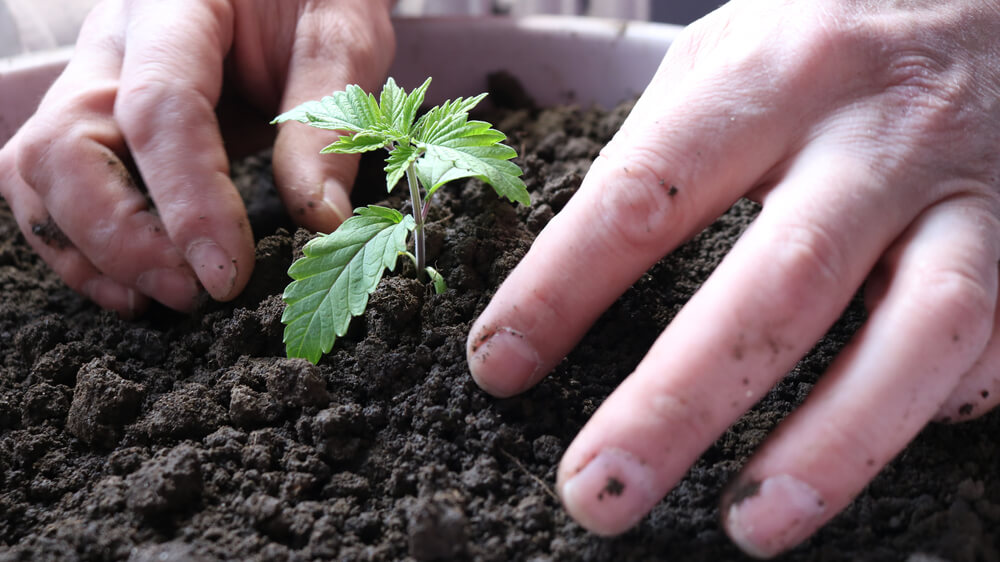
- Direct Planting: Some growers prefer to plant seeds directly into the growing medium (soil, coco coir, etc.). While this method reduces the risk of damaging the seedling during transplantation, it may take a bit longer for the seed to sprout, often between 48 to 72 hours.
- Water Soaking: Soaking seeds in water for 12 to 24 hours before planting can speed up the germination process. Seeds that sink after soaking are typically viable and ready for planting.
- Rockwool Cubes: These cubes provide an ideal environment for seed germination due to their moisture retention properties. Seeds germinated in Rockwool cubes usually sprout within 24 to 48 hours.
3. Environmental Conditions
The environment in which you germinate your cannabis seeds plays a crucial role in how quickly they sprout. The key environmental factors to consider are:
- Temperature: The ideal temperature for germinating cannabis seeds is between 70°F to 85°F (21°C to 29°C). Temperatures outside this range can slow down germination or even prevent it altogether.
- Humidity: High humidity levels (around 70-90%) are beneficial for germination. Humidity helps the seed absorb water, which is essential for the germination process.
- Light: While light is not necessary for germination, keeping seeds in a dark place can help them sprout faster. Once the seedling emerges, it should be exposed to light to start the photosynthesis process.
- Oxygen: Adequate oxygen is essential for germination. Overwatering can reduce oxygen availability in the soil, leading to slower germination or seed rot.
4. Water Quality and pH
Water is vital for seed germination, but its quality and pH can also impact how quickly seeds sprout.
- Water Quality: Using distilled or filtered water is recommended for germination, as tap water can contain chlorine or other chemicals that might inhibit the process.
- pH Level: The pH of the water and the growing medium should be slightly acidic, around 6.0 to 6.5. A pH level outside this range can hinder nutrient uptake, slowing down the germination process.
Step-by-Step Guide to Germinating Cannabis Seeds
Now that we’ve covered the factors that influence germination, let’s walk through a step-by-step guide to help your cannabis seeds sprout as quickly and efficiently as possible.
Step 1: Choose Your Germination Method
Select the germination method that suits your growing style and environment. The paper towel method is popular for its simplicity and effectiveness, but choose whichever method you feel most comfortable with.
Step 2: Prepare Your Environment
Ensure the germination environment is optimal:
- Temperature: Maintain a consistent temperature between 70°F and 85°F.
- Humidity: If using the paper towel method, place the seeds in a humid, dark environment like a closed plastic bag or a propagator.
- Light: Keep seeds in the dark until they sprout.
Step 3: Begin Germination
If using the paper towel method:
- Moisten two paper towels with distilled water and place them on a plate.
- Place the seeds on the paper towels, leaving some space between each seed.
- Cover the seeds with another moist paper towel.
- Place another plate on top to create a dark, humid environment.
If planting directly in the soil:
- Make a small hole about 0.5 inches deep in the growing medium.
- Place the seed in the hole and lightly cover it with soil.
- Water the soil lightly, ensuring it is moist but not waterlogged.
Step 4: Monitor the Seeds
Check on your seeds regularly, keeping the environment consistently warm and humid. Avoid handling the seeds too much, as they are delicate during this stage.
Step 5: Transplant the Seedlings
Once the seeds have sprouted, and you can see the radicle (embryonic root) emerging, it’s time to transplant them into your growing medium if you haven’t already. Handle the seedlings carefully, planting them root down with the seed case just below the surface.
Troubleshooting Common Germination Issues
Even with the best preparation, you might encounter some issues during the germination process. Here are some common problems and how to address them:
- Seeds Not Sprouting: If your seeds haven’t sprouted after 72 hours, it might be due to poor seed quality, incorrect temperature, or insufficient moisture. Try adjusting the environment and ensure the seeds are fresh.
- Mold or Mildew: High humidity can sometimes lead to mold or mildew on the seeds or paper towels. If you notice this, replace the paper towels and ensure there’s some airflow in the environment.
- Slow Germination: If the seeds are taking longer than expected, double-check the temperature and humidity levels. Make sure the seeds are not too old, and consider soaking them in water for a few hours to kickstart the process.
Read Also : Common Mistakes to Avoid When Growing Autoflower Seeds
Conclusion:
Germinating cannabis seeds is a delicate process that requires attention to detail and a bit of patience. While most seeds will sprout within 24 to 72 hours under ideal conditions, some might take a little longer. By understanding the factors that influence germination time and following best practices, you can increase your chances of success and set the stage for a healthy, productive grow.
Remember, the key to successful germination is creating an environment that mimics the natural conditions cannabis seeds need to thrive: the right temperature, humidity, and moisture. With the right approach, you’ll soon see your cannabis seeds sprout, leading to a rewarding and fruitful cultivation experience. Happy growing!