
Cannabis consumption has evolved over the years, offering users a variety of ways to enjoy its therapeutic and recreational benefits. Among the most common methods are smoking and vaporizing. As more consumers seek healthier alternatives, the debate over which method is better for your health continues to gain attention. In this blog post, we’ll compare vaporizing Vs smoking cannabis, examine the health impacts of each, and help you make an informed decision.
What Is Smoking Cannabis?
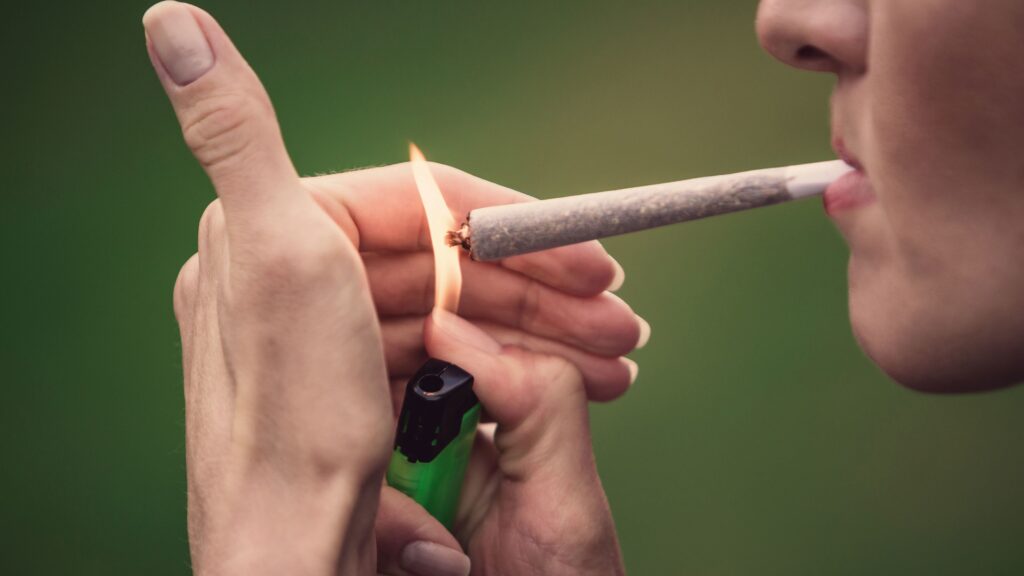
Smoking cannabis is one of the oldest and most traditional consumption methods. It involves burning cannabis flower and inhaling the smoke. This can be done through a variety of devices such as joints, pipes, bongs, and blunts. While smoking provides rapid delivery of cannabinoids like THC and CBD, it also introduces harmful byproducts into the lungs.
The Process of Smoking
When cannabis is smoked, combustion occurs, breaking down the plant material into smoke. This smoke contains cannabinoids, terpenes, and a variety of chemicals produced during the combustion process. Inhalation allows cannabinoids to enter the bloodstream through the lungs, providing almost immediate effects.
What Is Vaporizing Cannabis?
Vaporizing, or “vaping,” heats cannabis at lower temperatures than combustion, converting cannabinoids and terpenes into vapor rather than smoke. This vapor is then inhaled, delivering the active compounds without burning the plant matter. Vaporizing is often considered a cleaner, potentially safer alternative to smoking.
The Process of Vaporizing
When cannabis is vaporized, it is heated to a temperature range (usually between 350°F and 400°F) that allows the active compounds to become airborne without causing combustion. This vapor contains cannabinoids and terpenes but fewer harmful toxins, as it avoids the byproducts of combustion.
Health Impact of Smoking Cannabis
Smoking cannabis, like smoking any substance, comes with certain health risks. Although cannabis smoke is considered less harmful than tobacco smoke, it still contains carcinogens and toxins that can negatively impact respiratory health.
Respiratory Risks
When you smoke cannabis, the combustion process releases tar, carbon monoxide, and other toxic chemicals into your lungs. Long-term smoking can lead to respiratory issues such as chronic bronchitis, coughing, wheezing, and phlegm production. Studies have shown that frequent cannabis smokers can suffer from symptoms similar to those experienced by tobacco smokers, although cannabis does not seem to contribute as significantly to lung cancer.
Combustion Byproducts
One of the primary concerns with smoking is the release of combustion byproducts like polycyclic aromatic hydrocarbons (PAHs) and volatile organic compounds (VOCs). These substances are known to irritate the lungs and, over time, may cause inflammation and damage to lung tissue.
Immediate Effects
On the upside, smoking delivers rapid effects because cannabinoids like THC enter the bloodstream quickly through the lungs. This makes smoking ideal for users seeking immediate relief from pain, anxiety, or other symptoms.
Health Impact of Vaporizing Cannabis
Vaporizing cannabis is generally seen as a healthier alternative to smoking because it produces fewer harmful byproducts and avoids combustion altogether. Vaporization is especially appealing to those concerned about their lung health but still wanting to experience the benefits of inhaled cannabis.
Fewer Toxins
Since vaporizing cannabis heats the plant material without burning it, fewer toxic chemicals are produced. Research suggests that vaporizing reduces exposure to harmful compounds like tar and PAHs. As a result, vaporizing is less likely to cause the same level of respiratory irritation as smoking.
Reduced Respiratory Symptoms
Studies have indicated that individuals who switch from smoking to vaporizing experience improvements in respiratory symptoms. These include reduced coughing, less phlegm production, and better overall lung function. Vaporizing also causes less throat and lung irritation, making it a preferable option for those with asthma or other respiratory conditions.
More Controlled Experience
Vaporizing also allows users to control the temperature at which cannabis is heated. Lower temperatures can preserve more terpenes and cannabinoids, offering a more flavorful and customizable experience. This control is particularly useful for medical cannabis users who may want to maximize therapeutic benefits while minimizing irritation.
Comparing the Efficiency of Vaporizing vs. Smoking Cannabis
Beyond health considerations, the efficiency of vaporizing versus smoking is another important factor to consider. The way cannabinoids are delivered into the body can influence how much cannabis you need to achieve the desired effects.
Bioavailability
Bioavailability refers to how much of a substance is absorbed into the bloodstream. Smoking has a bioavailability of roughly 30%, meaning that only a portion of the cannabinoids in the cannabis are absorbed. In contrast, vaporizing can offer bioavailability rates as high as 60%, making it a more efficient way to consume cannabis. Users often report that they need less cannabis when vaporizing to achieve the same effects they would get from smoking.
Flavor and Terpene Preservation
One key advantage of vaporizing is its ability to preserve the flavor profile of cannabis. Terpenes, the compounds responsible for the plant’s aroma and taste, are highly sensitive to heat. When cannabis is smoked, many of these terpenes are destroyed during combustion. Vaporizing at lower temperatures allows for better preservation of these delicate compounds, leading to a more flavorful experience.
Environmental Impact of Vaporizing vs. Smoking Cannabis
While health is a primary concern, the environmental impact of cannabis consumption methods should not be overlooked. Both vaporizing and smoking have distinct effects on the environment.
Smoking and Its Environmental Impact
Smoking cannabis often involves the use of rolling papers, lighters, and other single-use items, which can contribute to waste. In particular, the use of tobacco in blunts or joints can increase the environmental footprint of smoking.
Vaporizing and Its Environmental Impact
Vaporizing typically requires electronic devices, which have a larger environmental footprint in terms of manufacturing and eventual disposal. However, many vaporizing devices are rechargeable and reusable, making them more environmentally friendly over time compared to disposable smoking accessories.
Which Is Healthier: Vaporizing or Smoking?
When it comes to health, vaporizing appears to have a clear advantage over smoking. While both methods deliver cannabinoids effectively, vaporizing produces fewer harmful toxins, reduces respiratory irritation, and offers a more controlled and efficient experience.
Vaporizing: The Healthier Choice
If you’re looking for a cleaner, healthier way to consume cannabis, vaporizing is the better option. It minimizes exposure to harmful byproducts, offers a smoother experience for your lungs, and is more efficient in delivering cannabinoids to your body.
Smoking: Tradition with Risks
Smoking, on the other hand, remains a traditional method that provides quick effects but comes with greater risks to lung health. The exposure to combustion byproducts makes it a less favorable choice for those concerned about long-term respiratory health.
Conclusion: Making an Informed Choice
Whether you choose to vaporize or smoke cannabis depends on your personal preferences and health priorities. While smoking offers the nostalgia and tradition of cannabis culture, vaporizing stands out as a healthier, more efficient method that preserves the integrity of the plant while reducing harm to your lungs.
Ultimately, the choice between vaporizing and smoking should be based on what best suits your lifestyle, health, and consumption needs. If health is your main concern, making the switch to vaporizing is a smart move for a safer and more enjoyable cannabis experience.
By offering a comprehensive overview of the health impacts, efficiency, and environmental factors of both smoking and vaporizing, this post helps guide cannabis consumers in making an informed decision about their preferred consumption method.