
Organic cannabis has become one of the biggest buzzwords in the cannabis industry. Whether you shop online or visit a dispensary, you’ll notice brands highlighting “organic,” “all-natural,” and “pesticide-free” labels. But is organic cannabis truly better—or is it just another marketing strategy? Many consumers assume organic means cleaner, more potent, and safer, but is that always the case?
In this guide, we break down what “organic cannabis” actually means, how it compares to conventional cultivation, and what lab tests reveal beyond the marketing claims.
Understanding What “Organic Cannabis” Actually Means
Before deciding whether organic cannabis is better, it’s important to understand what the term represents. Unlike organic food certification, cannabis still lacks a universally accepted global or federal standard. Instead, growers follow region-specific guidelines or private certifications.
Organic cannabis typically focuses on:
- Natural soil and fertilizers
- No synthetic pesticides or chemicals
- Sustainable cultivation practices
- Minimal processing and additives
However, without consistent regulation, the definition varies between growers and markets.
Why Consumers Prefer Organic Cannabis
Many buyers choose organic products for health and environmental reasons. With cannabis, the concern is even greater because you inhale or consume the final product. Potential chemical residues could impact both safety and the user experience.
People often associate organic cannabis with:
- Cleaner smoke
- Better terpene expression
- More natural flavours
- Higher safety and purity
But do lab tests support these assumptions?
How Organic and Conventional Cannabis Are Grown
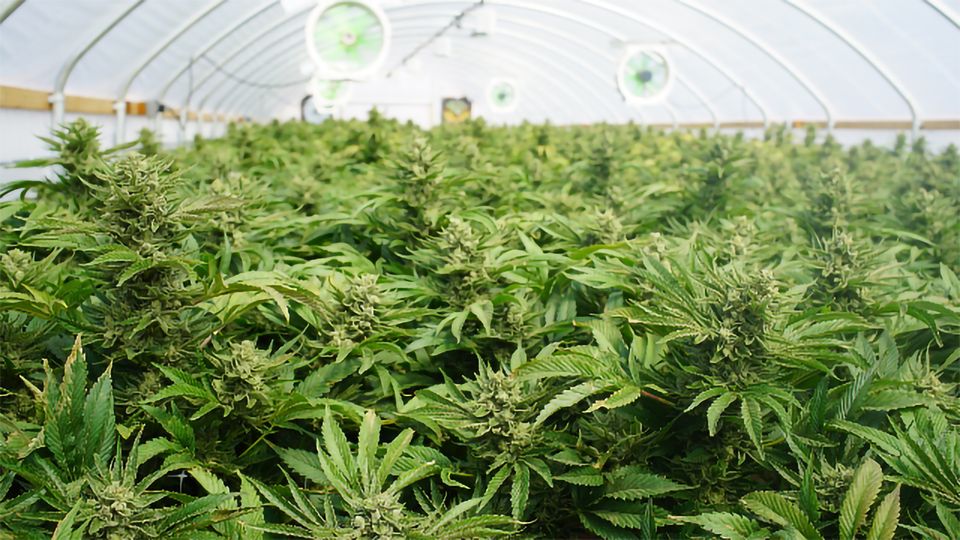
Organic cannabis relies on natural growing methods. Conventional cannabis, on the other hand, may include synthetic nutrients and pesticides that are approved for agricultural use.
Organic Growing Methods
Organic growers typically use:
- Compost teas
- Living soil
- Fish emulsions
- Worm castings
- Beneficial microbes and fungi
These nutrients release slowly and support long-term soil health. Organic cannabis is often more labour-intensive because growers must control pests manually or through biological predators.
Conventional Growing Methods
Conventional cultivation allows:
- Synthetic fertilizers
- Approved pesticides
- Hydroponic or aeroponic setups
- Faster nutrient delivery
This can result in faster growth and higher yields, but it also raises concerns about chemical residues.
Does “Organic” Automatically Mean Safer?
Not necessarily. Even natural pesticides can leave residues, and some “organic” growers may still use permitted chemical treatments. Meanwhile, many conventional growers produce extremely clean cannabis that passes strict lab tests.
This is why lab results matter more than marketing terms.
Lab Tests: The Real Proof Behind Cannabis Quality
Regardless of how cannabis is grown, lab testing reveals what’s actually inside your flower, oil, or edible. Lab tests highlight safety, potency, and purity—without bias.
Here’s what lab results typically show:
1. Potency Levels: THC & CBD
Many consumers believe organic cannabis is more potent, but lab tests show that potency depends more on genetics and growing skills than being “organic.”
Key findings from testing trends include:
- Organic cannabis does not consistently show higher THC or CBD levels.
- Some organic strains may express slightly richer terpene profiles due to soil quality.
- Potency varies significantly by cultivator—not by organic certification.
2. Pesticide Residue Testing
This is where organic cannabis has a potential advantage—but not always a guaranteed one.
Lab results check for:
- Synthetic pesticides
- Fungicides
- Herbicides
- Chemical residues
Organic cannabis usually tests cleaner, but some non-organic cannabis can also test residue-free thanks to strict growing protocols.
3. Heavy Metals
Soil-grown cannabis—organic or not—can accumulate heavy metals from the environment. Testing identifies:
- Lead
- Arsenic
- Cadmium
- Mercury
High-quality growers mitigate these risks through soil testing, filtration systems, and proper nutrient management.
4. Microbial Testing
This includes checking for mold, mildew, and bacteria. Organic cannabis grown outdoors sometimes faces higher risk of microbial contamination, especially in humid climates.
Conventional indoor growers often have more controlled environments and may outperform organic crops in this area.
5. Terpene Profiles
Organic advocates often claim better flavour and aroma. Lab tests show:
- Organic soil can enhance terpene richness
- Hydroponic or conventional grows can match or exceed terpene levels with the right nutrients
Once again, method matters less than the grower’s expertise.
Marketing Claims vs Reality: What Buyers Should Know
Cannabis marketing can exaggerate claims to attract customers. Terms like “organic,” “natural,” or “pure” sound appealing, but they don’t guarantee superior quality.
Here’s what consumers should keep in mind:
“Organic = More Potent” (False)
THC and CBD levels depend primarily on genetics and harvesting techniques.
“Organic = Cleaner” (Sometimes True)
Organic cannabis often avoids synthetic chemicals, but contamination is still possible. Only lab tests confirm purity.
“Organic = Better Flavor” (Partially True)
Living soil grows can enhance terpene depth, but expertly grown hydroponic cannabis can be equally aromatic.
“Organic = Safer” (Depends on Testing)
Safety comes from lab-tested results, not marketing terms.
So, Is Organic Cannabis Really Better?
After comparing both sides, the answer isn’t a simple yes or no.
Organic Cannabis May Be Better If You Want:
- Environmentally friendly cultivation
- Natural, soil-grown flower
- Potentially richer terpene profiles
- Fewer synthetic chemicals
Conventional Cannabis May Be Better If You Want:
- Higher yields and lower cost
- Consistent potency and appearance
- Highly controlled indoor environments
- Products from brands with rigorous testing standards
The Ultimate Takeaway:
What matters most is not whether cannabis is organic but whether it is thoroughly lab-tested.
Clean, safe, high-quality cannabis can come from both organic and conventional farms—if the grower follows strict standards.
Read Also : How Cannabis Affects the Brain: What Science Tells Us
How to Choose High-Quality Cannabis Every Time
When shopping, always check:
- Lab test reports (COAs)
- Brand transparency
- Growing conditions
- Terpene and potency levels
- Pesticide and contamination reports
Don’t be swayed only by “organic” labels. Aim for verified test results and trusted growers.