
Introduction
Cannabis genetics are the blueprint behind every strain’s appearance, aroma, potency, and growth behavior. Whether you’re a cultivator, breeder, or enthusiast, understanding genetics helps you make smarter decisions — from seed selection to harvest expectations.
Let’s explore what cannabis genetics really mean and why they matter more than ever in today’s evolving market.
What Are Cannabis Genetics?
Cannabis genetics refer to the inherited traits passed from parent plants to offspring. These traits determine:
- Plant size and structure
- Flowering time
- Yield potential
- Cannabinoid levels (like THC or CBD)
- Terpene profile (aroma and flavor)
- Resistance to pests, mold, and stress
Just like any plant species, cannabis expresses traits based on its genetic makeup combined with environmental factors.
The Three Primary Cannabis Types
Historically, cannabis has been categorized into three main types:
1. Indica
- Shorter, bushier plants
- Broad leaves
- Faster flowering time
- Often associated with relaxing effects
2. Sativa
- Taller, narrower plants
- Longer flowering cycles
- Airier bud structure
- Often described as uplifting
3. Ruderalis
- Smaller plants
- Naturally autoflowering
- Lower cannabinoid content
- Used in breeding autoflower strains
Modern strains are typically hybrids that combine characteristics from multiple genetic lines.
Parent Strains and Lineage
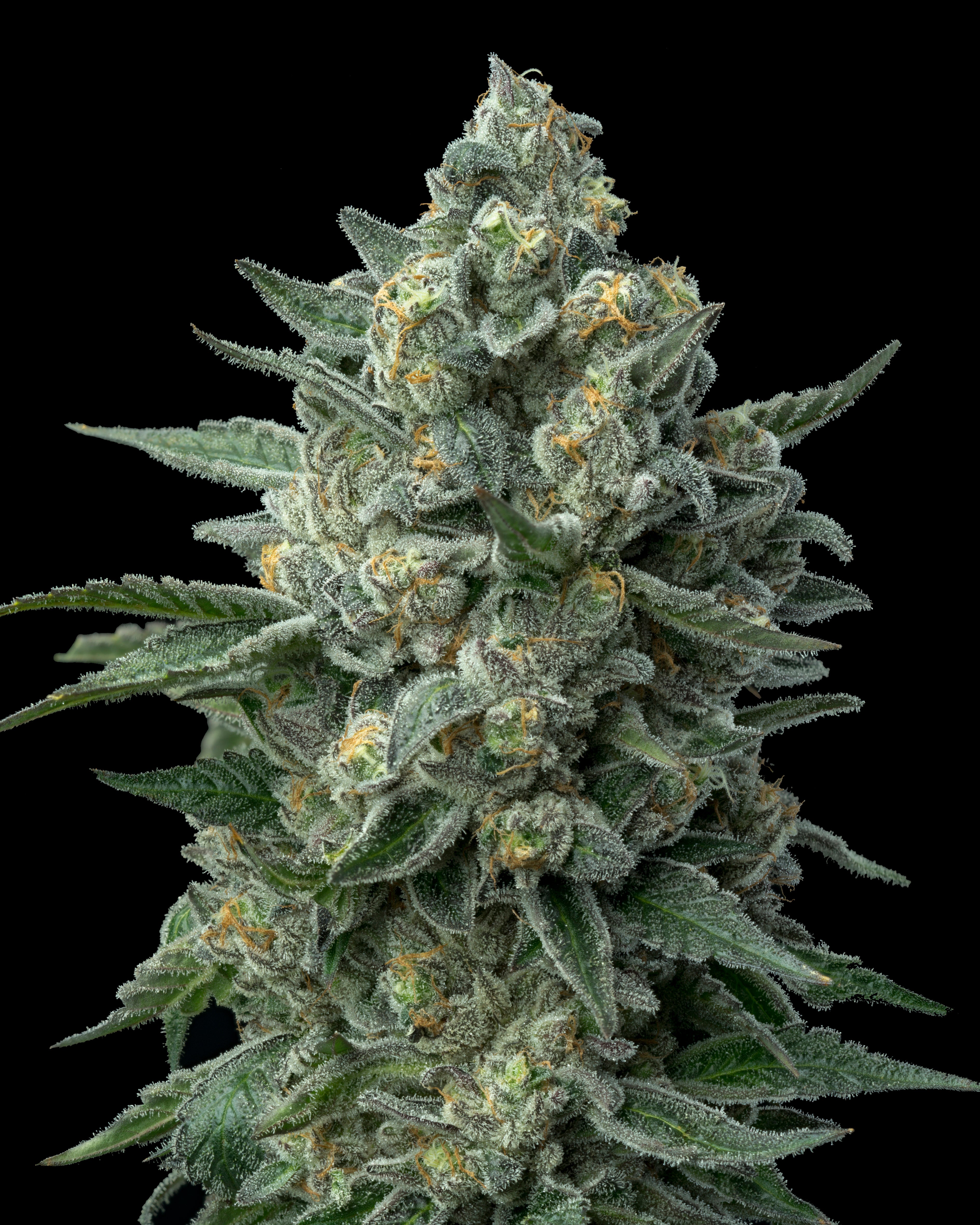
Every strain has a lineage — a genetic family tree made up of parent strains. For example:
- OG Kush is known for potency and earthy aromas.
- Granddaddy Purple contributes dense buds and sweet notes.
- Blue Dream offers balanced growth and fruity terpenes.
Breeders intentionally cross strains to enhance specific traits — whether that’s higher cannabinoid content, better mold resistance, or unique flavor combinations.
Phenotypes vs. Genotypes
Two important terms in cannabis genetics:
Genotype – The genetic code inherited from parent plants.
Phenotype – How those genes are expressed physically.
Even seeds from the same strain can produce slightly different phenotypes. That’s why breeders often “pheno hunt” — growing multiple plants to select the best expression of desired traits.
Stabilized genetics reduce variation and provide more predictable results.
Cannabinoids and Terpenes: Genetics in Action
Genetics directly influence a plant’s chemical profile.
Cannabinoids
These include compounds like THC and CBD. Genetic selection can increase or balance these levels depending on breeding goals.
Terpenes
Terpenes shape aroma and flavor — from citrus and pine to spice and sweetness. Different genetic lines carry distinct terpene combinations.
Selective breeding has led to strains with highly specific aromatic and chemical profiles.
Why Genetic Stability Matters
For growers, stable genetics mean:
- Consistent plant height
- Predictable flowering times
- Reliable yields
- Uniform bud structure
For commercial producers, this consistency is critical. Genetic instability can lead to unwanted traits or inconsistent harvests.
Reputable breeders work through multiple generations to lock in desired characteristics.
Feminized vs. Regular vs. Autoflower Genetics
Genetics also determine plant type:
- Regular seeds produce both male and female plants.
- Feminized seeds are bred to produce female plants only.
- Autoflower seeds contain ruderalis genetics and flower automatically regardless of light cycle.
Each option serves different cultivation goals.
The Future of Cannabis Genetics
Advancements in breeding and plant science are shaping the next generation of strains. Trends include:
- High-CBD and minor cannabinoid development
- Mold-resistant genetics for humid climates
- Shorter flowering times
- Enhanced terpene concentration
- Disease-resistant cultivars
As legalization expands globally, demand for refined, consistent genetics continues to grow.
Also Read: High-CBD vs High-THC Seeds – Which Should You Choose?
Final Thoughts
Cannabis genetics are the backbone of every strain on the market. From plant structure to aroma and potency, nearly every characteristic begins at the genetic level.
Understanding genetics empowers growers to select the right seeds and helps consumers better understand what they’re choosing. As breeding techniques evolve, we’ll continue to see innovation driven by carefully selected genetic foundations.