
Introduction
A good night’s sleep is one of the most important pillars of health, yet millions of people struggle to get enough of it. From stress and anxiety to chronic pain and disrupted sleep cycles, the causes of sleeplessness are varied — and so are the solutions. One natural option gaining popularity is CBD (cannabidiol), a non-intoxicating compound from the hemp plant that may support better, more restful sleep.
In this guide, we’ll explore how CBD can help improve sleep, the best time to take it, and how to find your ideal dosage.
How CBD Can Help You Sleep Better
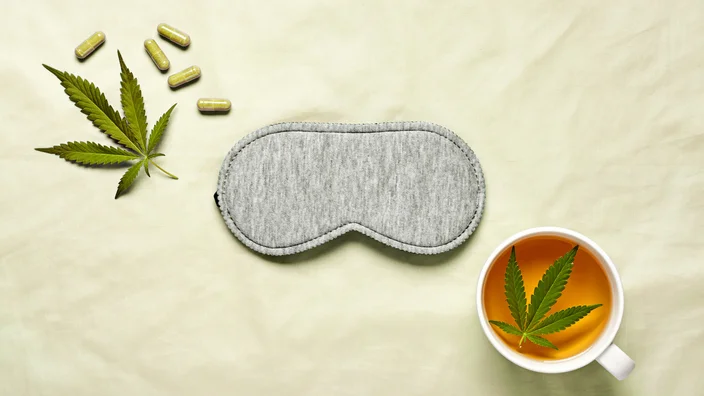
CBD interacts with the endocannabinoid system (ECS), a network of receptors in the body that help regulate mood, pain perception, stress response, and sleep-wake cycles. While CBD doesn’t act like a sedative, it supports the body’s natural ability to relax and transition into restful sleep.
Key benefits for sleep include:
- Reduces anxiety and stress: Calms racing thoughts that often delay falling asleep.
- Eases pain and discomfort: Helps with conditions that cause nighttime restlessness.
- Supports deeper sleep cycles: May promote more restorative stages of sleep.
- Balances sleep patterns: Encourages consistency in sleep and wake times.
By addressing root causes of sleeplessness rather than just masking symptoms, CBD can help improve sleep quality in the long term.
Best Time to Take CBD for Sleep
Timing your CBD intake is crucial for achieving the best sleep results, as different forms of CBD are absorbed into the body at different speeds. Understanding this timing ensures that CBD is active in your system right when you’re ready to rest.
- CBD Oil/Tinctures: These are among the fastest-acting forms when taken sublingually (placing drops under your tongue and holding them for 30–60 seconds before swallowing). This method allows CBD to bypass the digestive system and enter the bloodstream quickly. Taking CBD oil 30–60 minutes before bed gives your body enough time to experience a calming effect as you wind down for the night.
- CBD Gummies/Edibles: Edibles need to pass through the digestive system before the CBD is absorbed, which can take longer. For most people, effects are noticeable within 60–90 minutes. Taking gummies about an hour and a half before bedtime ensures that CBD reaches its peak just as you’re getting ready to sleep.
- CBD Capsules: These work much like edibles because they’re swallowed and processed in the stomach. Plan to take them at least an hour before bed to give the CBD time to take effect. Capsules are ideal for those who prefer a tasteless, pre-measured option.
- CBD Tea or Drinks: Beverages infused with CBD provide a slower, more gradual onset of relaxation. Sip them about an hour before sleeping to enjoy both the soothing ritual of a warm drink and the calming benefits of CBD. Many people find this combination particularly effective for setting a tranquil nighttime mood.
By matching your CBD intake timing with the specific product you’re using, you help your body enter a more relaxed state exactly when you need it, improving your chances of falling asleep easily and staying asleep throughout the night.
Finding the Right Dosage
CBD dosage is highly personal — there’s no one-size-fits-all amount that works for everyone. Factors like body weight, metabolism speed, individual tolerance to CBD, and the specific nature of your sleep challenges all influence how much you may need. Even the form of CBD you use (oil, gummy, capsule, tea) can affect how your body absorbs and processes it.
To help guide you, here are general starting points based on common sleep-related concerns:
- Mild sleep troubles or occasional stress: 10–20 mg
This range is ideal if you just need a gentle nudge toward relaxation or want help quieting your mind before bed. - Moderate insomnia or anxiety: 20–40 mg
This is a sweet spot for many users dealing with regular restlessness or middle-of-the-night wake-ups. - Severe sleep issues: 40–70 mg or more
Higher doses may be necessary for those struggling with chronic insomnia or intense anxiety at night. Always increase gradually rather than starting high, to avoid unnecessary side effects.
Golden rule: Start low, go slow.
Begin with the smallest dose in your chosen range and stick to it for a few nights. If you’re not getting the desired results, increase your dose slightly — perhaps by 5–10 mg at a time — until you find your personal sweet spot.
Be mindful that taking too much CBD can sometimes cause morning grogginess or, in rare cases, digestive discomfort. Your goal is to find the minimum effective dose that helps you fall asleep faster, stay asleep longer, and wake up refreshed.
Safety and Considerations
CBD is generally well-tolerated, but some people may experience:
- Dry mouth
- Digestive discomfort
- Morning drowsiness (usually from higher doses)
To stay safe:
- Choose products from reputable brands with third-party lab reports.
- Avoid products with high THC if you want to skip the “high” effect.
- Consult your doctor if you take other medications.
Also Read: Do Cannabis Seeds Expire? Everything You Need to Know
Final Thoughts
CBD is not a magic sleep pill, but it’s a natural tool that can help calm the mind, ease the body, and improve sleep patterns over time. By selecting the right product, taking it at the right time, and finding your personal dosage sweet spot, you can turn sleepless nights into restful ones.
Better sleep leads to better days — and CBD might just be the bedtime ally you’ve been looking for.